BLOG
Seven Signs Your Newcastle Home May Need Electrical Repairs Before Small Problems Become Major Faults
Electrical systems are designed to operate safely for many years, but they rarely fail without warning. In many cases, small changes in the way your electrical system performs can indicate that a fault is developing somewhere within the installation.
Across Newcastle and Lake Macquarie, many homes range from older weatherboard cottages and brick homes to newly built properties. While the causes may differ depending on the age of the home, recognising the early signs of electrical problems can help prevent more extensive repairs and reduce safety risks.
Some warning signs are easy to recognise, while others develop gradually over time.
Understanding what these symptoms may indicate allows homeowners to arrange an inspection before a minor issue becomes a larger electrical fault.
Circuit Breakers That Trip Repeatedly
Circuit breakers are designed to protect electrical circuits from overloads and faults. A single trip after plugging in a faulty appliance may not indicate a serious problem, but repeated tripping should never be ignored.
Common causes include:
Overloaded electrical circuits
Faulty appliances
Damaged wiring
Short circuits
Problems within the switchboard
Simply resetting the breaker each time without identifying the cause does not solve the underlying issue. If the breaker continues to trip, the affected circuit should be inspected by a licensed electrician.
Flickering or Dimming Lights
Lights that flicker occasionally when a large appliance starts may simply indicate a temporary change in electrical load. However, lights that flicker regularly without an obvious reason may suggest an electrical fault.
Possible causes include:
Loose electrical connections
Ageing wiring
Faulty light fittings
Overloaded circuits
Switchboard issues
If flickering occurs throughout multiple rooms or affects several lighting circuits, the problem may be more significant than a faulty globe.
Older homes in suburbs such as Hamilton, Mayfield and Lambton may be more likely to experience these issues as electrical systems continue to age.
Warm Power Points or Switches
Power points and light switches should not normally become hot during everyday use.
Slight warmth from high-demand appliances may be expected in some situations, but excessive heat, discolouration or a burning smell should always be investigated.
Heat can develop because of:
Loose terminals
Damaged electrical components
Overloaded circuits
Worn electrical accessories
Ignoring these symptoms can allow further deterioration to occur inside the fitting, increasing the likelihood of more serious electrical faults.
Burning Smells or Buzzing Sounds
Electrical systems should operate quietly.
Buzzing sounds from switches, power points or the switchboard often indicate loose electrical connections or deteriorating components. Likewise, burning smells should never be dismissed as normal.
These symptoms may indicate:
Overheating electrical connections
Damaged insulation
Faulty circuit breakers
Internal arcing
If a burning smell is detected, the affected circuit should no longer be used until it has been inspected.
Safety Switches That Continue to Trip
Safety switches are designed to disconnect power when they detect electricity flowing where it should not.
While a single trip may occur because of a faulty appliance, repeated tripping usually indicates an underlying electrical problem.
Common causes include:
Earth leakage faults
Moisture entering outdoor electrical fittings
Damaged wiring
Faulty appliances
Deteriorating electrical accessories
Properties closer to the coastline around Merewether, Belmont and Warners Bay may occasionally experience moisture-related electrical faults affecting outdoor installations.
Repeated safety switch operation should always be professionally investigated.
Power Points That Stop Working
When several power points suddenly stop working, many homeowners assume the outlets themselves have failed.
In reality, the cause may involve:
A tripped circuit breaker
A tripped safety switch
Loose wiring
Circuit damage
Faulty electrical connections
Because power points are often connected on shared circuits, several outlets can lose power simultaneously when a fault develops.
Testing and fault finding help identify the actual cause before repairs are completed.
Your Home Still Has an Older Switchboard
Some homes throughout Newcastle still operate with older switchboards that have limited capacity compared with modern installations.
While older switchboards do not automatically require replacement, they should be assessed if homeowners are planning:
Kitchen renovations
Air conditioning installation
Electric vehicle charging
Solar installation
Home extensions
Additional electrical circuits
Modern households place far greater demand on electrical systems than homes built several decades ago.
A switchboard assessment helps determine whether the existing installation can continue supporting current and future electrical requirements safely.
Electrical problems rarely improve on their own. Many begin as small faults that gradually become more noticeable as components continue to age. Recognising these early warning signs allows homeowners across Newcastle and Lake Macquarie to address electrical issues before they affect the safety, reliability and performance of the home's electrical system.

DISCOVER WHAT OUR CUSTOMERS HAVE TO SAY ABOUT US
REVIEWS
REVIEW US ON GOOGLE
our process
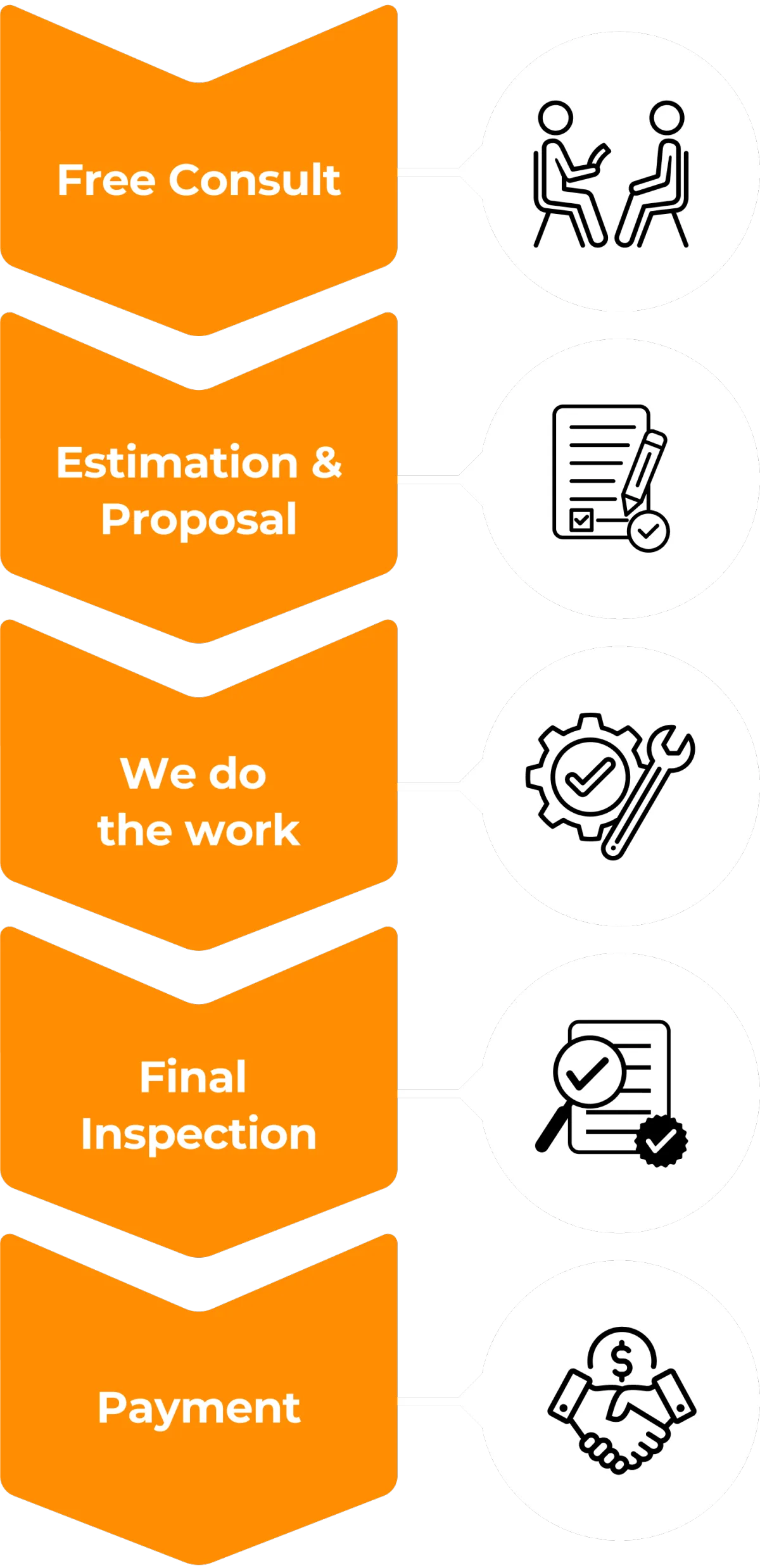
Our process is simple and only contains a few simple steps

READY TO take the next step?
get a free quote TODAY!
Perfect Electrical Works
3 Victoria Cres, New Lambton Heights NSW 2305


