SERVICES
Electrical Safety Inspections
Electrical safety inspections for Newcastle homes and businesses with ageing wiring, recurring faults or damaged electrical fittings.
What Are Electrical Safety Inspections?
Electrical safety inspections examine a property’s fixed wiring, switchboard, safety switches, power points, lighting circuits and visible electrical fittings for faults, damage and signs of deterioration. A licensed electrician combines visual checks with electrical testing where required, then explains any defects and the work needed to correct them. Newcastle homeowners often arrange an inspection for an older property, before renovations, after repeated tripping, or when they notice heat, buzzing, flickering lights or damaged fittings. Businesses may need checks when equipment operates in areas exposed to moisture, dust, heat, vibration or mechanical damage. Leaving faults unresolved can increase the risk of electric shock, overheating, fire or unexpected power loss. NSW guidance recommends that owners of homes built before 2000 ask a licensed electrician to check whether suitable safety switches protect the circuits. An inspection also helps separate minor maintenance from wiring faults that need prompt repair. This gives owners a clear picture of the installation’s current condition.
Why Choose Perfect Electrical Works for Electrical Safety Inspections
Long Electrical Trade Experience
Perfect Electrical Works brings long experience in the electrical trade to electrical safety inspections. That background supports careful checks of switchboards, circuit protection, fixed wiring and visible fittings. The electrician can recognise warning signs, explain what the inspection finds and distinguish between minor maintenance, urgent faults and electrical work that needs further testing or repair.
Licensed Electrical Assessment
Perfect Electrical Works holds NSW electrical licence 473517C. Electrical safety inspections may uncover faults in fixed wiring, switchboards or protective devices that require licensed electrical work. The electrician can carry out the inspection, test relevant parts of the installation and complete any agreed repairs in line with NSW licensing and compliance requirements.
Available 24 Hours
Perfect Electrical Works operates 24 hours a day, seven days a week. This availability matters when an inspection follows urgent warning signs such as burning smells, sparking, heat, repeated tripping or loss of power. Customers can contact the business promptly, explain what they have noticed and arrange an assessment before using the affected circuit or fitting again.
Local Newcastle Service
Perfect Electrical Works is based in New Lambton Heights and provides electrical safety inspections throughout Newcastle and nearby suburbs. Local service supports inspections for older homes, rental properties, renovations and businesses with electrical concerns. The electrician can inspect the property, discuss visible warning signs and explain any testing, repairs or upgrades needed after the assessment.
What Electrical Safety Inspections Cover
Electrical safety inspections can cover the switchboard, circuit breakers, safety switches, earthing, fixed wiring, power points, light switches, visible fittings and signs of overheating or damage. The electrician may test safety switch operation, circuit protection, polarity, insulation resistance and earth continuity where the inspection scope requires it. Checks can also identify damaged cables, loose fittings, overloaded arrangements and circuits without suitable protection. Workplace inspections may include electrical equipment used in conditions involving moisture, heat, dust, vibration or physical damage, depending on the property and requested scope.
Signs You Need Electrical Safety Inspections
Arrange an electrical safety inspection if breakers trip repeatedly, lights flicker, switches crackle, power points feel warm or plugs sit loosely in outlets. Other warning signs include buzzing, burning smells, scorch marks, damaged covers, exposed wiring, mild shocks or tingling from appliances and fittings. An older ceramic fuse board, limited safety switch protection or ageing wiring also warrants assessment. Outdoor fittings exposed to moisture or salt may develop corrosion, while older homes may have wiring that no longer suits modern electrical demand. Stop using any fitting that sparks, overheats or smells burnt.
DISCOVER WHAT OUR CUSTOMERS HAVE TO SAY ABOUT US
REVIEWS
REVIEW US ON GOOGLE
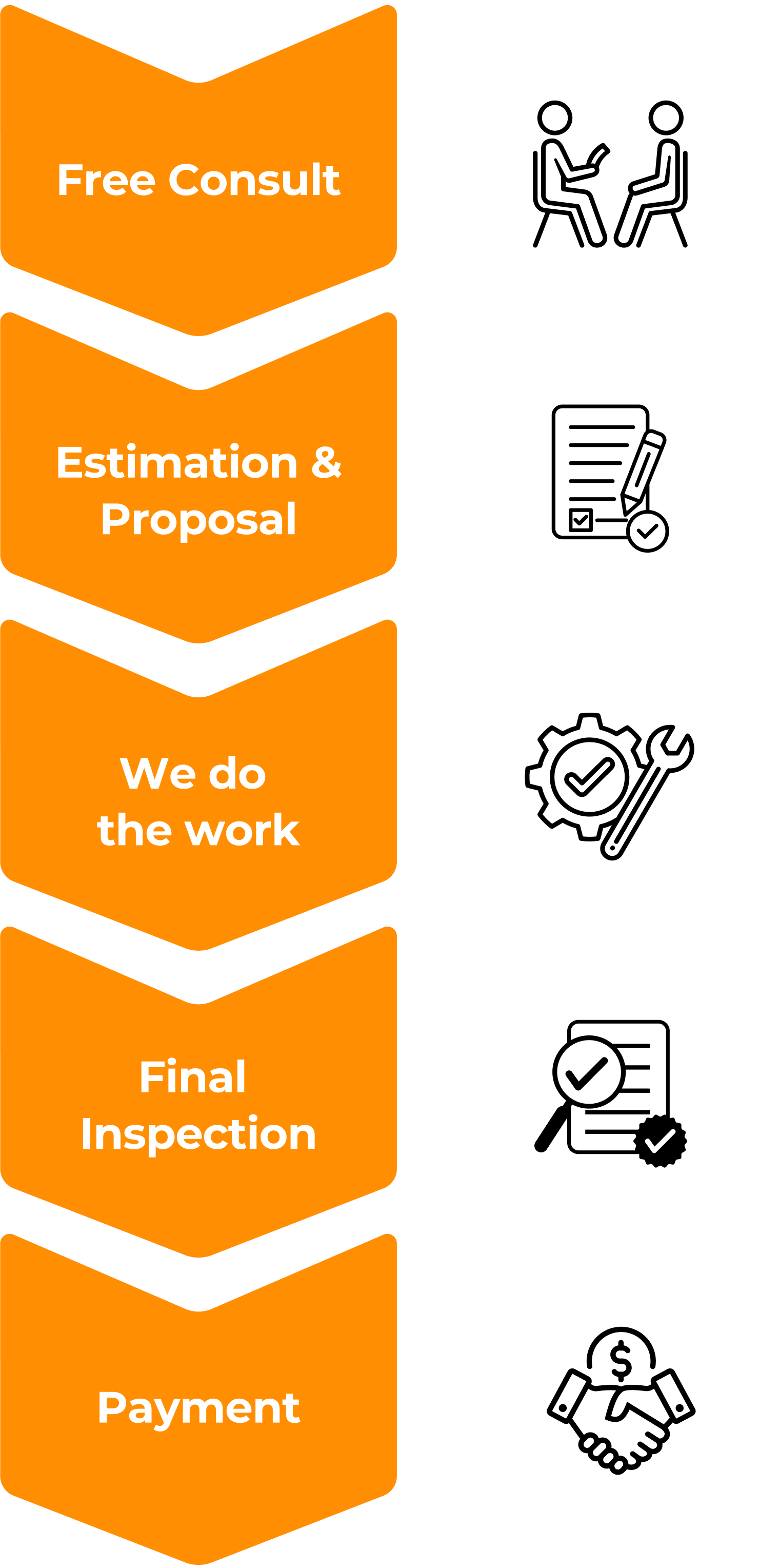
our process
Our process is simple and only contains a few simple steps

frequently asked questions
What does an electrical safety inspection include?
The inspection scope depends on the property and the reason for the check. It can include the switchboard, safety switches, earthing, fixed wiring, power points, lighting circuits and visible fittings. The electrician may also perform electrical tests to identify faults that a visual check cannot reveal.
When should I book an electrical safety inspection?
Consider an inspection when buying an older home, planning renovations, experiencing repeated circuit trips or noticing heat, buzzing, flickering, damaged fittings or burning smells. NSW guidance also recommends that owners of homes built before 2000 ask a licensed electrician to check their safety switch protection.
Is an electrical safety inspection the same as test and tag?
No. A property safety inspection focuses on the fixed electrical installation, including wiring, switchboards and connected fittings. Test and tag generally covers portable plug-in equipment, particularly in workplaces where operating conditions can damage equipment. The required scope depends on the property, equipment and electrical risks present.
Will the electrician need to turn off the power?
The electrician may need to isolate individual circuits or the main supply to perform certain tests safely. The amount of downtime depends on the inspection scope and wiring arrangement. The electrician should explain which areas will lose power before testing begins and restore supply after completing the checks.
What happens if the inspection finds an electrical fault?
The electrician will explain the fault, its location and the level of attention it requires. The electrician may isolate unsafe circuits or fittings until repairs take place. After you approve the work, the electrician tests the repair and provides compliance documentation when the work involves electrical wiring.
READY TO take the next step?
get a free quote TODAY!
Perfect Electrical Works
3 Victoria Cres, New Lambton Heights NSW 2305


