BLOG
Understanding NSW Electrical Safety Requirements for Switchboards, Safety Switches and Smoke Alarms
Electrical safety requirements in New South Wales have changed significantly over the years as homes have become more reliant on electricity. Modern households place far greater demand on electrical systems than homes built several decades ago, and today's safety standards are designed to reduce the risk of electric shock, electrical fires and equipment damage.
Many homeowners across Newcastle and Lake Macquarie are unsure whether their property's electrical installation meets current expectations. While older homes are not automatically required to be completely rewired, certain safety devices and electrical work must comply with current Australian Standards and NSW legislation when installations are upgraded or altered.
Understanding how switchboards, safety switches and smoke alarms fit into these requirements helps homeowners make informed decisions about maintaining a safe electrical system.
Modern Switchboards Provide Better Electrical Protection
Older switchboards commonly used ceramic fuses that interrupted electrical circuits when excessive current flowed. While these systems served their purpose for many years, they generally do not provide the level of protection expected in modern electrical installations.
Today's switchboards typically include:
Circuit breakers
Safety switches
Clearly labelled circuits
Improved overload protection
Capacity for additional electrical circuits
Modern switchboards also make it easier to isolate individual circuits when electrical work is required or when faults occur.
Many homes throughout Newcastle still contain older switchboards that continue operating, but when significant electrical work is undertaken, upgrading the switchboard is often recommended to improve both safety and capacity.
A licensed electrician can assess whether the existing switchboard remains suitable for the home's current electrical requirements.
Safety Switches Are Different From Circuit Breakers
Many homeowners use the terms interchangeably, but circuit breakers and safety switches perform different jobs.
A circuit breaker protects the electrical wiring by disconnecting power when excessive current flows through a circuit.
A safety switch is designed to protect people. It monitors the flow of electricity and disconnects power extremely quickly if it detects current flowing outside the intended circuit, helping reduce the risk of serious electric shock.
Modern homes generally include multiple safety switches protecting various electrical circuits throughout the property.
Testing safety switches regularly using the built-in test button helps confirm they continue operating correctly.
If a safety switch repeatedly trips, the cause should be investigated rather than continually resetting the device.
Smoke Alarms Have Specific NSW Requirements
Smoke alarms play an important role in residential safety throughout New South Wales.
NSW legislation requires smoke alarms in all residential dwellings, with additional requirements applying when homes are sold, leased or substantially renovated.
Many newer homes contain interconnected hard-wired smoke alarms that receive power from the electrical installation while also containing battery backup in case of power failure.
Homeowners should regularly:
Test smoke alarms
Replace backup batteries where applicable
Keep alarms free from dust
Replace smoke alarms once they reach the manufacturer's recommended service life
Many smoke alarms are designed to be replaced after approximately ten years, even if they still appear to function correctly.
Positioning is also important. Smoke alarms should be installed where they provide early warning while allowing occupants sufficient time to evacuate safely.
Only Licensed Electricians Can Carry Out Fixed Electrical Work
One of the most important NSW electrical requirements relates to who is permitted to perform electrical work.
Work involving fixed electrical wiring, switchboards, new circuits, lighting installations and power point installation must be completed by a licensed electrician.
Attempting DIY electrical work creates significant safety risks and may also affect insurance or future property transactions if unapproved work is discovered.
Licensed electricians complete electrical work in accordance with the relevant Australian Standards and carry out testing before returning electrical installations to service.
This testing helps confirm that protective devices, wiring and circuits are operating safely.
Older Homes Should Be Assessed Before Major Electrical Changes
Many Newcastle homes were built before air conditioning, induction cooking, home offices and electric vehicle charging became common.
Adding these modern electrical loads without assessing the existing installation may place additional demand on older wiring and switchboards.
Before installing major appliances or carrying out renovations, homeowners should consider having the electrical installation inspected.
The inspection can identify whether:
Additional circuits are required
The switchboard has sufficient capacity
Existing wiring remains suitable
Safety switches provide appropriate protection
Smoke alarms meet current expectations
Planning upgrades before new electrical equipment is installed often prevents future problems while ensuring the electrical system continues operating safely.
Electrical safety requirements exist to protect both people and property. For homeowners across Newcastle and Lake Macquarie, understanding the purpose of switchboards, safety switches and smoke alarms makes it easier to recognise when an electrical inspection or upgrade may be appropriate as household electrical demands continue to grow.
DISCOVER WHAT OUR CUSTOMERS HAVE TO SAY ABOUT US
REVIEWS
REVIEW US ON GOOGLE
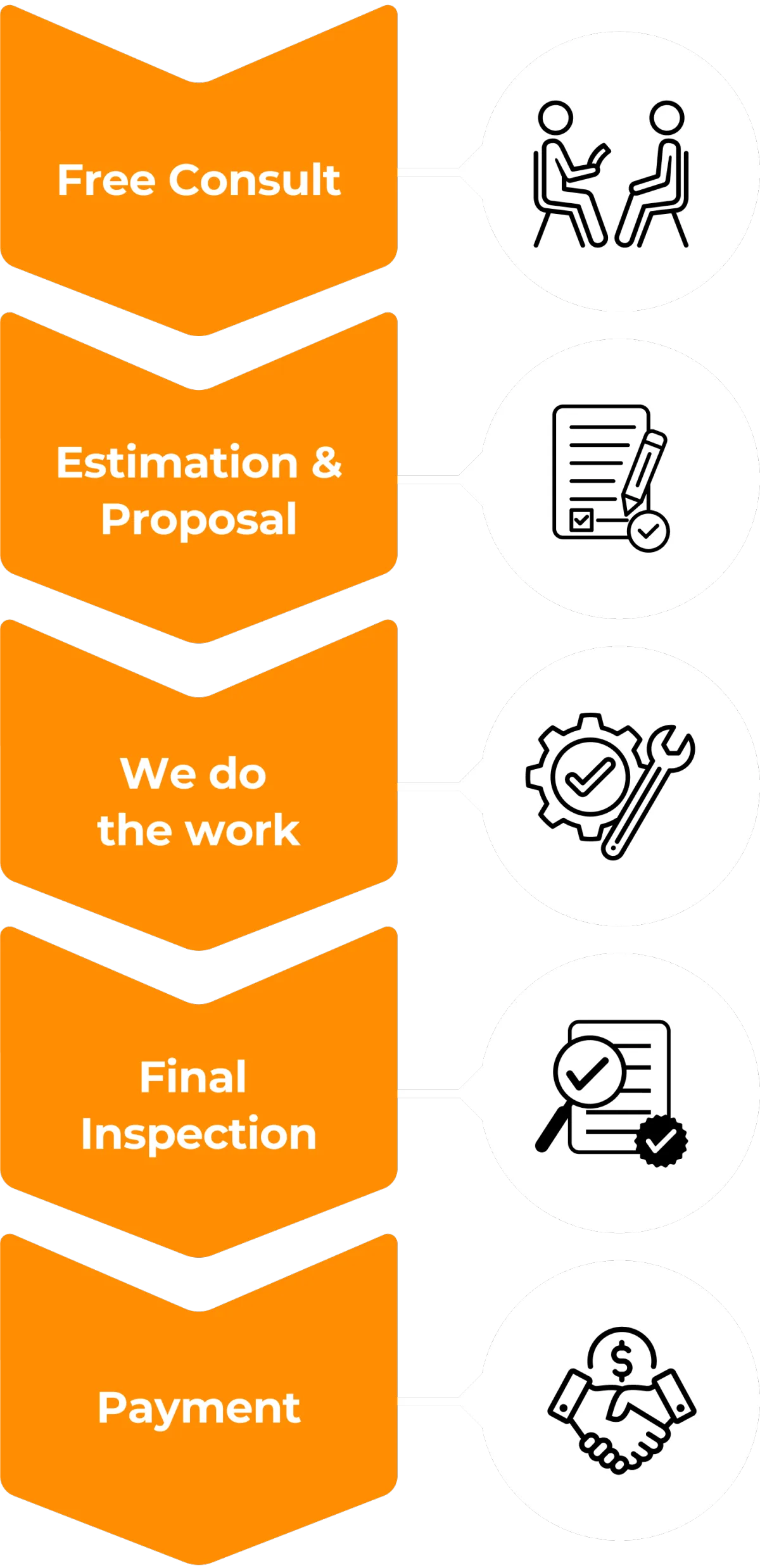
our process
Our process is simple and only contains a few simple steps

READY TO take the next step?
get a free quote TODAY!
Perfect Electrical Works
3 Victoria Cres, New Lambton Heights NSW 2305


