BLOG
The Complete Guide to Electrical Upgrades for Older Homes in Newcastle and When They Become Necessary
Newcastle has a large number of established suburbs with homes that were built long before modern electrical standards and today's household power demands. Areas such as Hamilton, Mayfield, Lambton, New Lambton and Merewether contain many properties dating back several decades. While these homes often have excellent character and solid construction, their electrical systems were designed for a very different lifestyle.
Years ago, a typical household may have operated a refrigerator, television and a few lights. Modern homes commonly include multiple televisions, air conditioning, induction cooktops, dishwashers, computers, electric hot water systems, home offices and increasingly, electric vehicle chargers. This increase in electrical demand means older wiring and switchboards may no longer provide the level of safety or capacity expected today.
Understanding when an electrical upgrade becomes necessary helps property owners make informed decisions before small issues become larger safety concerns.
Older Wiring Was Not Designed for Modern Electrical Demand
Many homes built several decades ago still contain electrical wiring that has performed reliably for many years. However, age alone does not determine whether wiring should be replaced. The greater concern is whether the existing installation can safely support the amount of electricity being used today.
Adding new appliances without upgrading older electrical systems can place additional load on circuits that were never intended to carry it. This may result in:
Circuit breakers tripping regularly
Lights dimming when appliances start
Warm power points or switches
Limited available circuits
Overloaded extension leads being used throughout the home
Older wiring insulation may also deteriorate over time. Heat, moisture, roof temperatures and general ageing can gradually reduce the condition of electrical cables, particularly in roof spaces.
A licensed electrician can inspect the wiring and determine whether it remains suitable or whether partial or complete rewiring is recommended.
Switchboards Often Show the First Signs That an Upgrade Is Needed
One of the most common electrical upgrades in older Newcastle homes involves replacing outdated switchboards.
Many older properties still have switchboards that were installed before today's safety devices became standard. Older ceramic fuses or limited-capacity switchboards may continue operating, but they often lack the protection expected in modern electrical installations.
A newer switchboard typically allows for:
Safety switches protecting electrical circuits
Modern circuit breakers
Additional circuits for new appliances
Greater capacity for future electrical additions
If you're renovating, installing air conditioning, upgrading the kitchen or planning to purchase an electric vehicle, the switchboard should usually be assessed before the new electrical work begins.
Renovations Are the Best Time to Upgrade Electrical Systems
Many homeowners only discover electrical problems once renovation work has already started.
Opening walls and ceilings provides access to wiring that would otherwise remain hidden. This makes renovations one of the most practical opportunities to improve the electrical installation.
Common electrical work completed during renovations includes:
Installing additional power points
Replacing ageing wiring
Upgrading lighting layouts
Installing LED downlights
Adding dedicated appliance circuits
Replacing the switchboard where required
Completing these upgrades during building work usually reduces disruption compared with carrying them out after the renovation has been completed.
Warning Signs That Should Not Be Ignored
Electrical systems often provide warning signs before a complete failure occurs.
Property owners should arrange an inspection if they notice:
Circuit breakers that trip repeatedly
Flickering lights
Burning smells near switches or power points
Buzzing sounds from electrical fittings
Warm switch plates
Power points that no longer hold plugs securely
Lights becoming noticeably dim when appliances operate
While some of these issues may have relatively simple causes, others can indicate deteriorating wiring or overloaded circuits that require professional investigation.
Ignoring recurring electrical problems rarely causes them to improve. In many cases they gradually become more frequent as components continue to age.
Planning for Future Electrical Needs
Electrical upgrades are no longer only about replacing worn equipment.
Modern households continue to add electrical appliances that place greater demand on home electrical systems. Air conditioning, electric ovens, induction cooktops, solar systems, battery storage and EV chargers all require sufficient electrical capacity.
When electrical upgrades are planned with future requirements in mind, homeowners often avoid needing additional work only a few years later.
A licensed electrician can assess the existing installation and determine whether the current wiring, switchboard and circuit capacity will continue to support future electrical requirements safely.
Many older homes across Newcastle remain structurally excellent properties. With appropriate electrical upgrades where required, they can continue providing safe and reliable electrical performance while meeting the expectations of modern family living.

DISCOVER WHAT OUR CUSTOMERS HAVE TO SAY ABOUT US
REVIEWS
REVIEW US ON GOOGLE
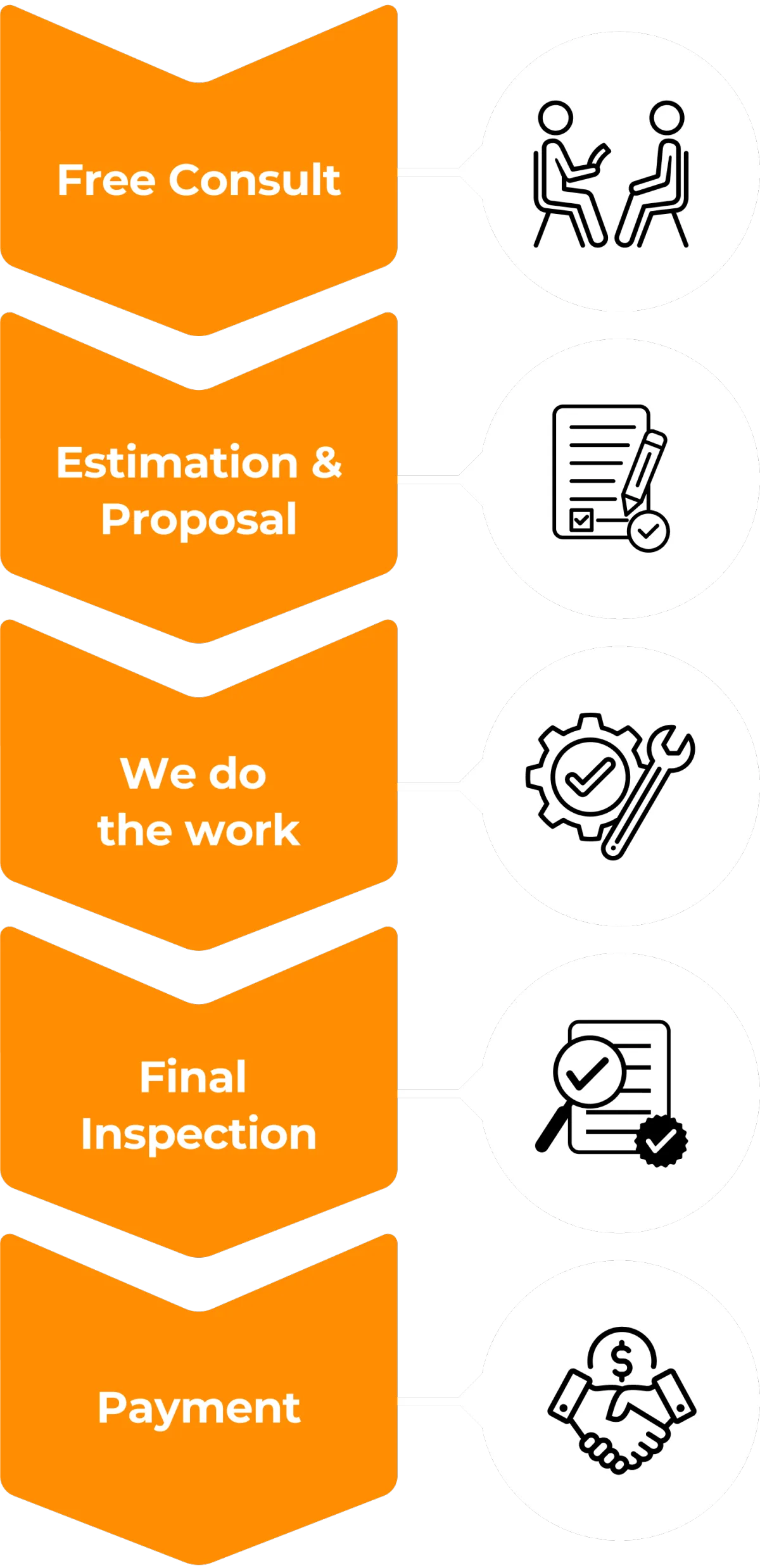
our process
Our process is simple and only contains a few simple steps

READY TO take the next step?
get a free quote TODAY!
Perfect Electrical Works
3 Victoria Cres, New Lambton Heights NSW 2305


